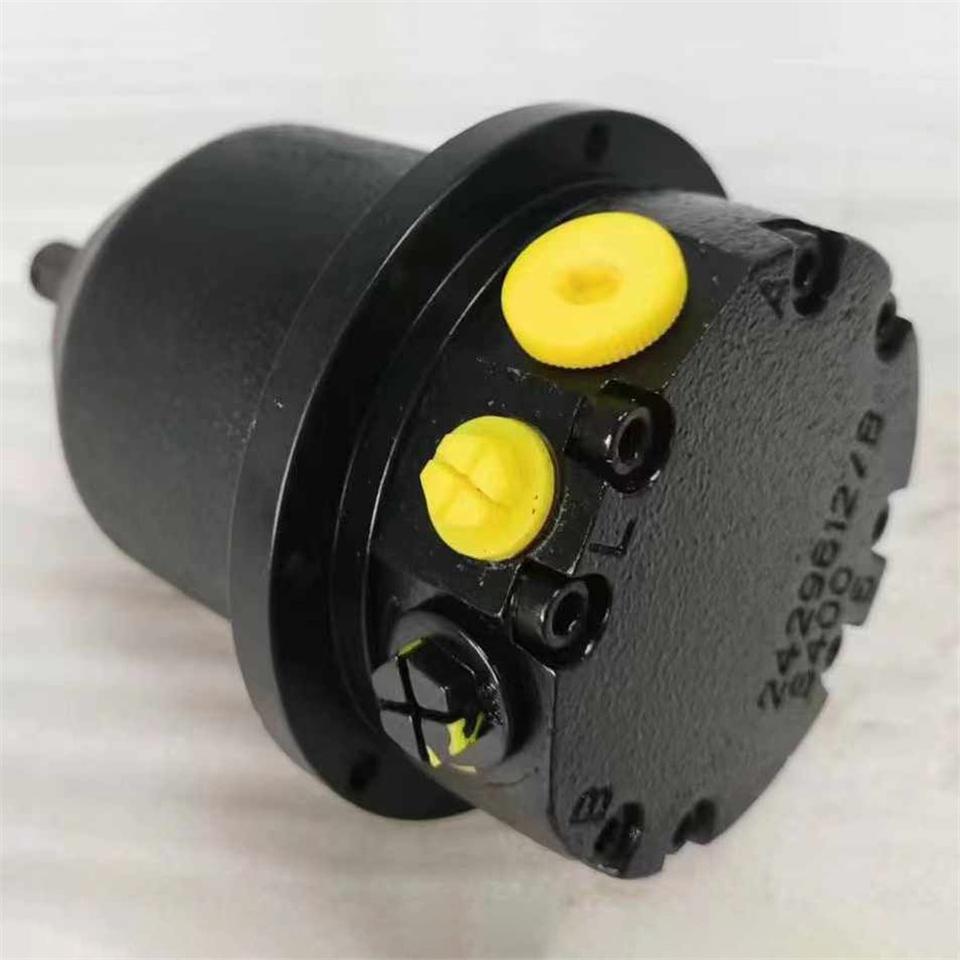
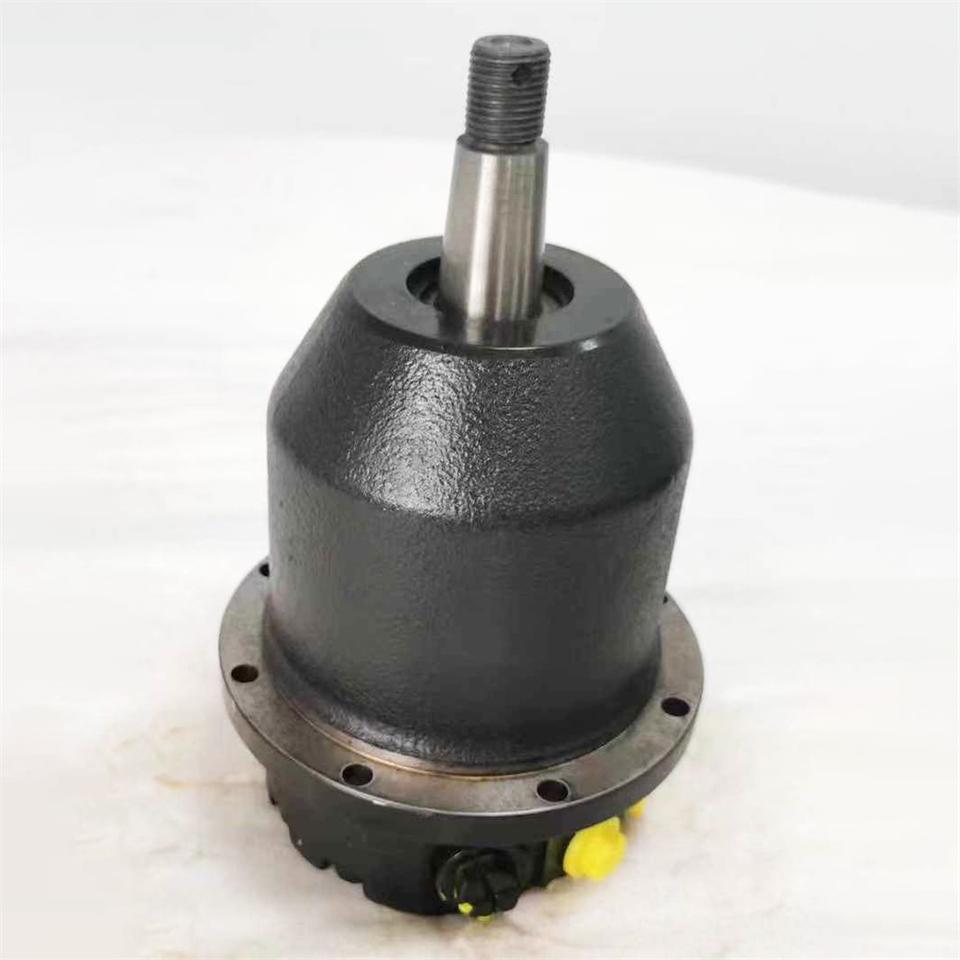

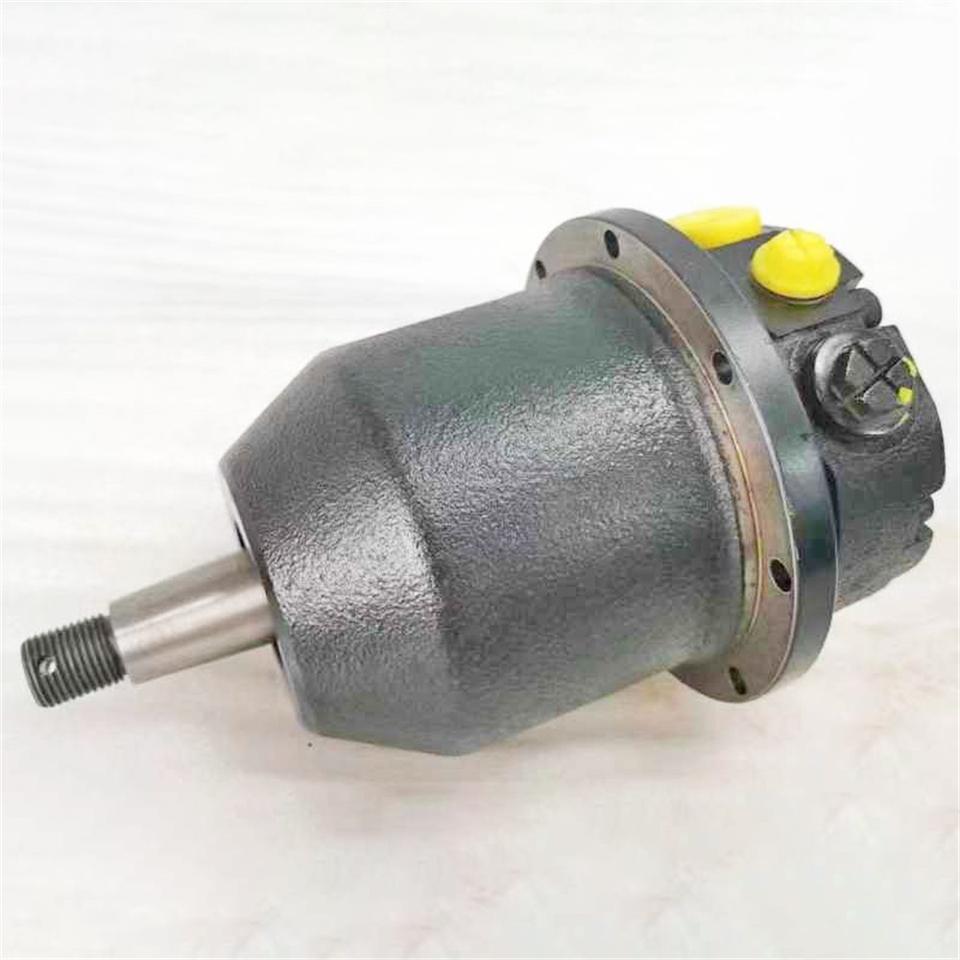
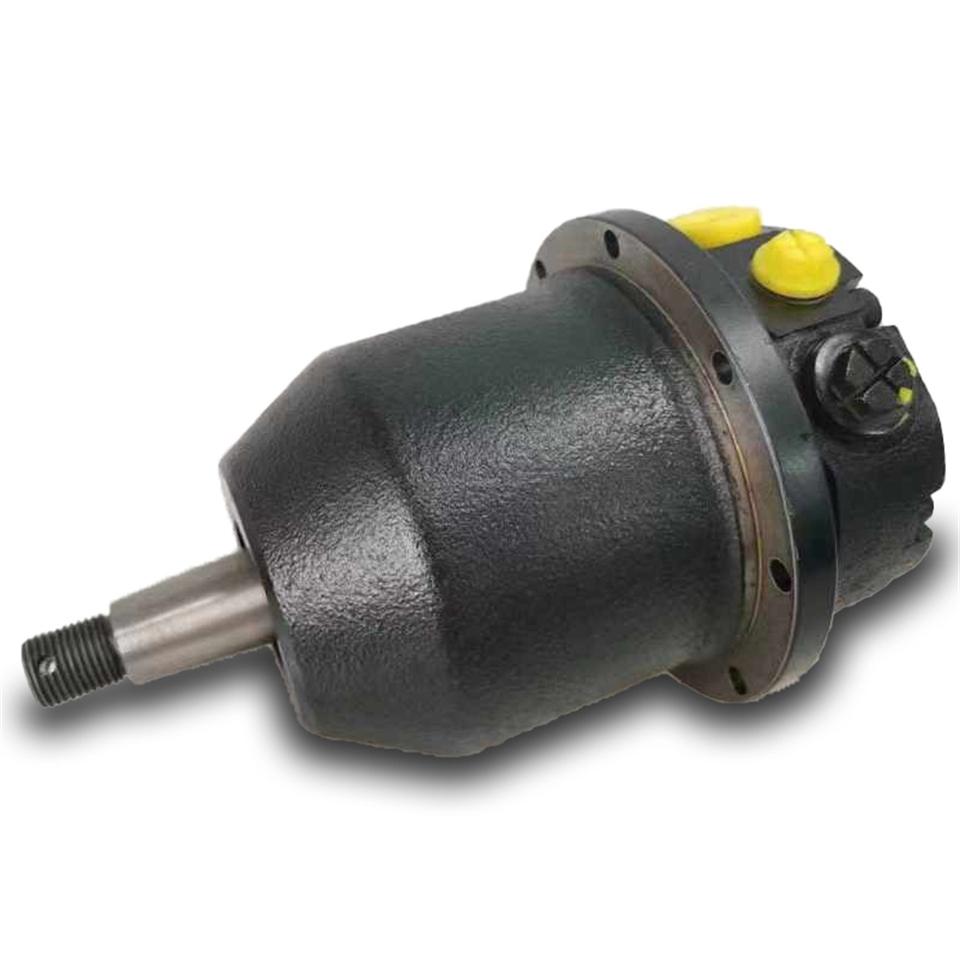
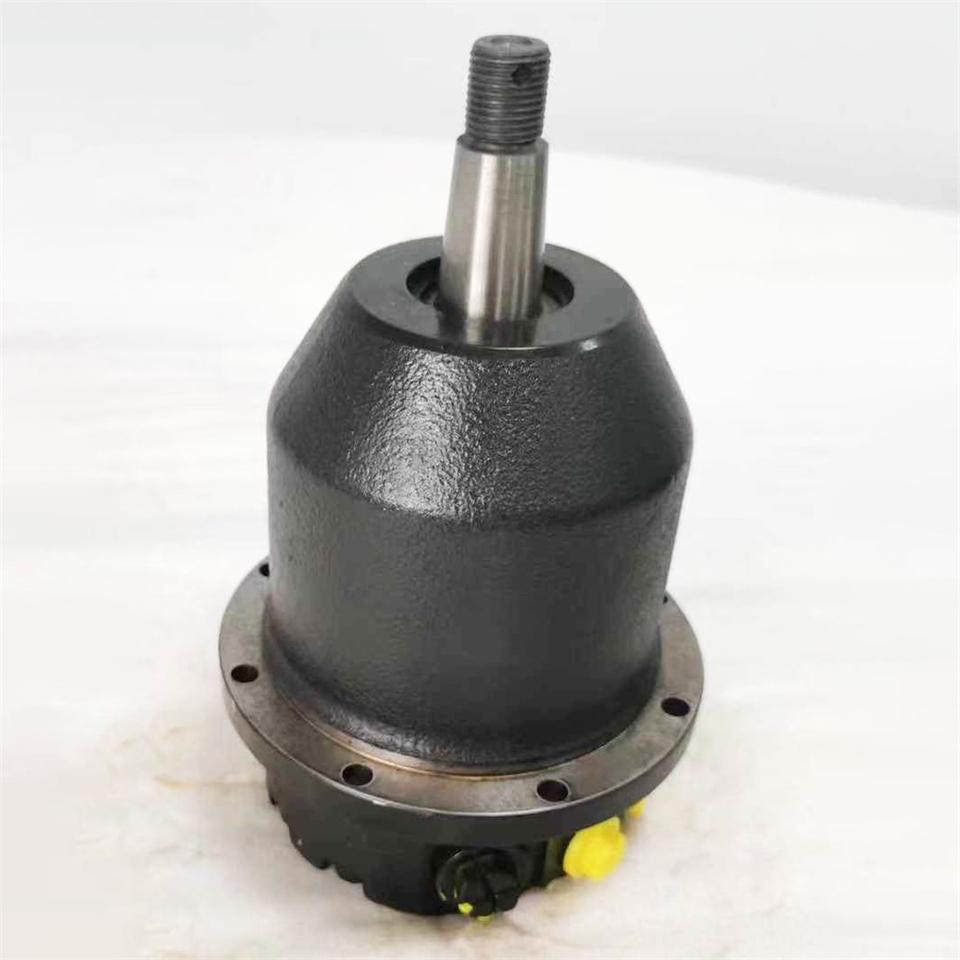
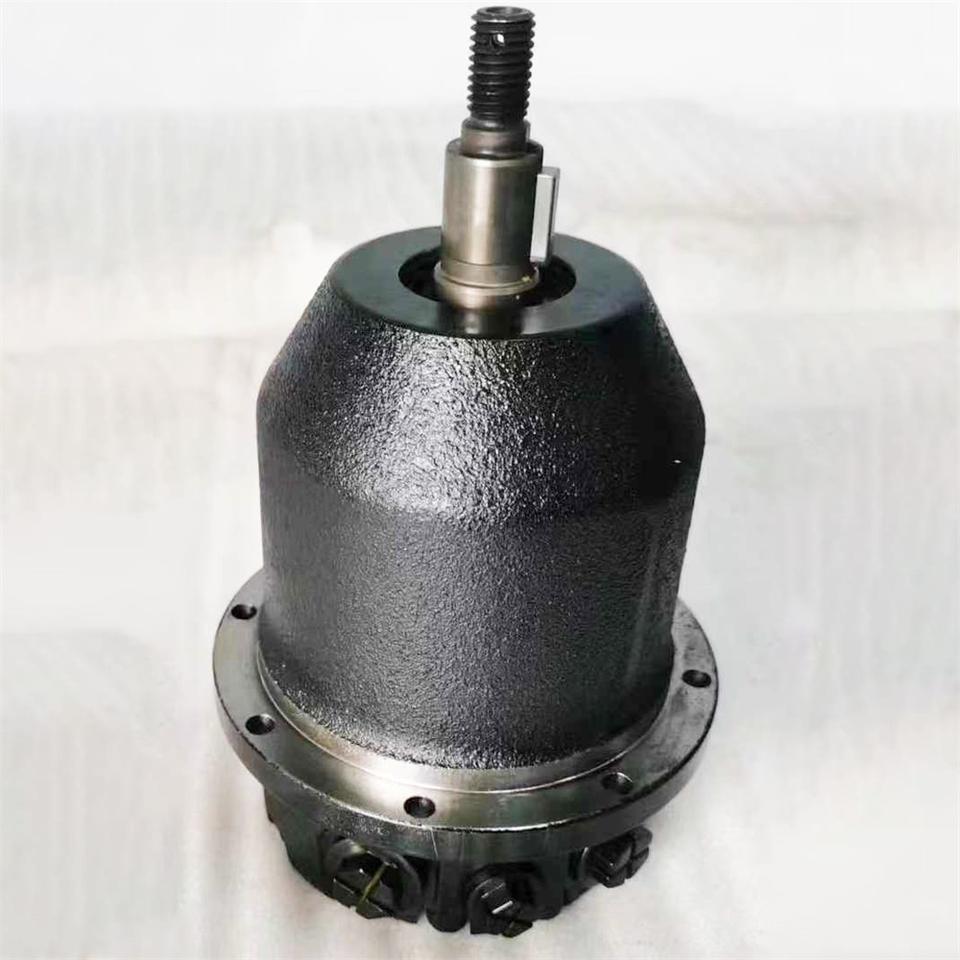


Product Overview – VOLVO Wheel Loader Fan Motor 11147935 / VOE11147935
This is a compact, high‑speed, piston‑type hydraulic motor used as the engine cooling fan drive on select VOLVO wheel loaders. It is commonly referenced by part numbers 11147935 / VOE11147935 and supplied as Genuine VOLVO or quality‑assured compatible units. Typical applications include temperature‑controlled hydraulic fan circuits on L‑series loaders where responsive, variable‑speed cooling is required.
Typical Machine Fitment
Verified fitment includes: L110E, L120F, L50E, L70D, L90G. Always confirm the exact build against your machine’s serial number (S/N) and hydraulic schematic before ordering.
Key Features and Benefits
Piston motor design for high power density, smooth low‑speed operation, and high reliability in continuous duty.
High‑speed capability with responsive control for efficient engine cooling and reduced noise.
Compact envelope for easy integration into engine‑fan drive systems; compatible with standard hydraulic fan circuits.
Engineered for long service life with proper filtration and fluid cleanliness.
Ordering and Cross‑Reference Guidance
Provide: machine model and S/N, fan motor rotation direction (viewed from shaft end), required mounting flange/port standard (SAE/ISO), shaft type/keyway, seal material (NBR/FKM), and hydraulic fluid specification.
Confirm the exact configuration (e.g., port size/orientation, shaft, and any factory-set controls) in Volvo PROSIS or the official parts catalog using the S/N prior to purchase.
This part is listed by multiple suppliers for L‑series loaders under 11147935 / VOE11147935; availability in Genuine VOLVO and compatible aftermarket options is common.
Installation and Commissioning Essentials
Perform a full hydraulic system flush; pre-fill the motor to remove air. Ensure adequate suction and that the case drain returns to tank with minimal backpressure.
Observe tightening torques and porting per data sheet; avoid restrictive fittings or check valves on the case drain line.
After start‑up, check for leaks, abnormal noise/vibration, and verify correct fan speed response to temperature or control signals.
Maintain clean hydraulic fluid and filters; follow recommended service intervals for seals and bearings.